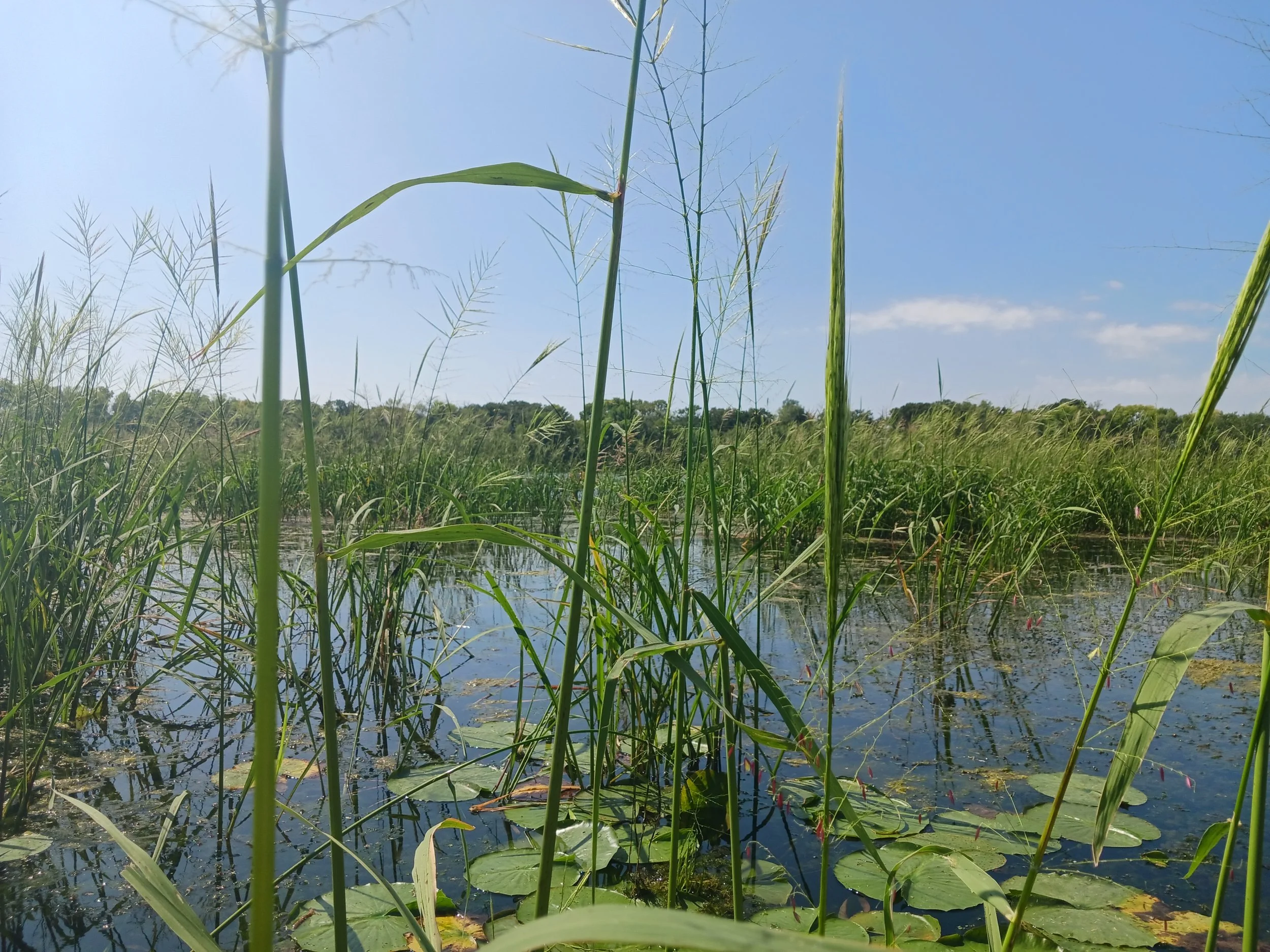
Cultural Plant Protection
We partner with Indigenous Nations to research, restore, and protect plants of cultural importance from threats such as climate and land use change.
The Project advances conservation goals in lands and waters recently returned to the Onondaga Nation along Onondaga Creek. We are assisting the Nation in the development and demonstration of caretaking plans that protect sovereignty and increase climate resiliency. The project demonstrates how the return of lands and Indigenous-led conservation enhance climate resiliency for people and nature.
Funding: The Nature Conservancy
2025 - 2026
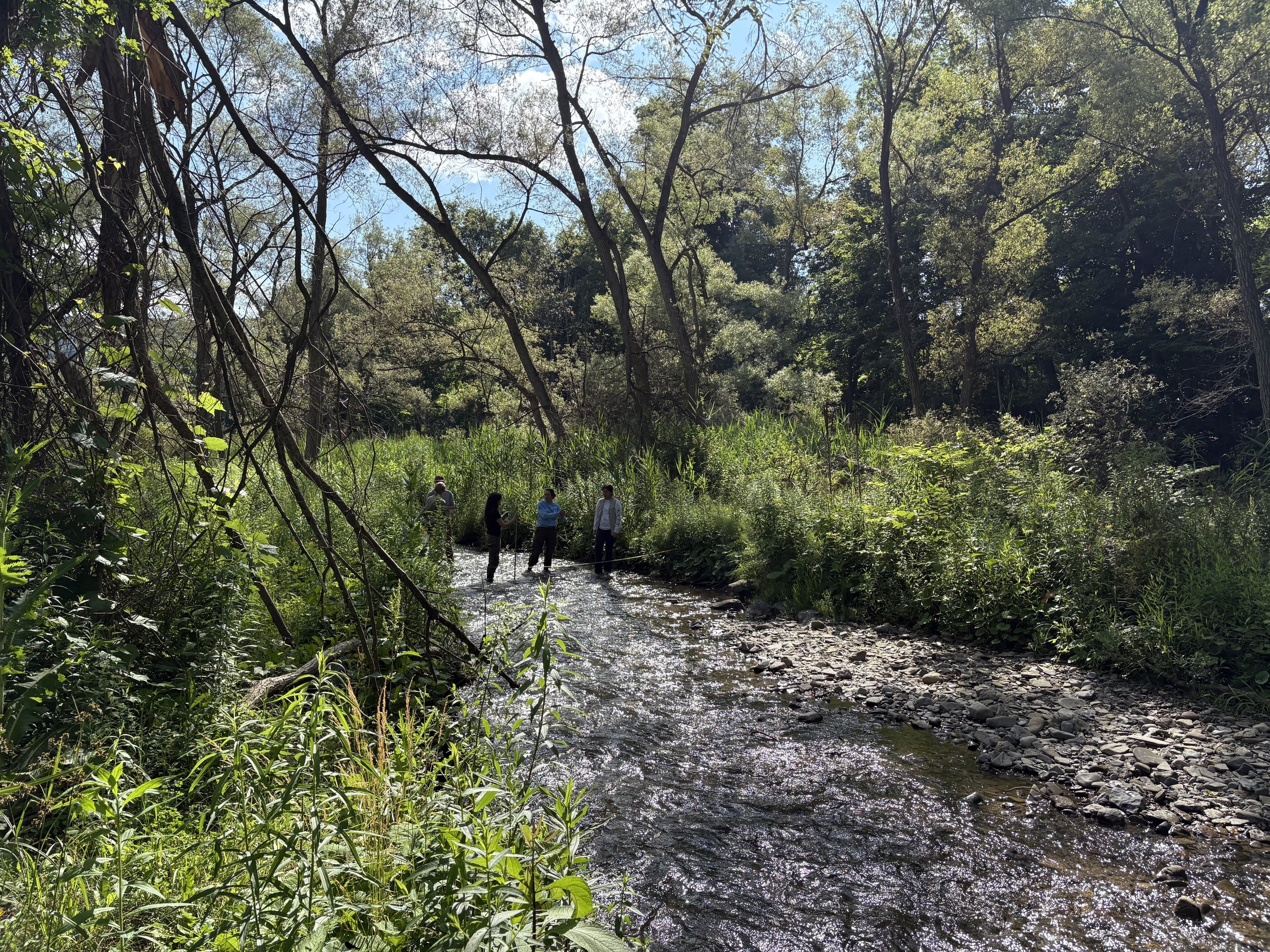
Land Return Conservation Project
Development of an Indigenous-led research agenda for restoration and stewardship of culturally significant plants for climate change adaptation in the northeast.
Funding: North East Climate Adaptation Science Center
2024 - 2026
We are developing an Indigenous-led research agenda in support of climate change adaptation among Indigenous Nations in the Northeast region. Community meetings and workshops will guide the creation of a plant habitat and vulnerability maps under different climate futures. We will host a Summit of Indigenous environmental leaders to identify and prioritize approaches to protection of culturally significant plants through the region.
First We Must Consider Manoomin/Psiŋ: Impacts of Climate and Land Cover Change on Wild Rice
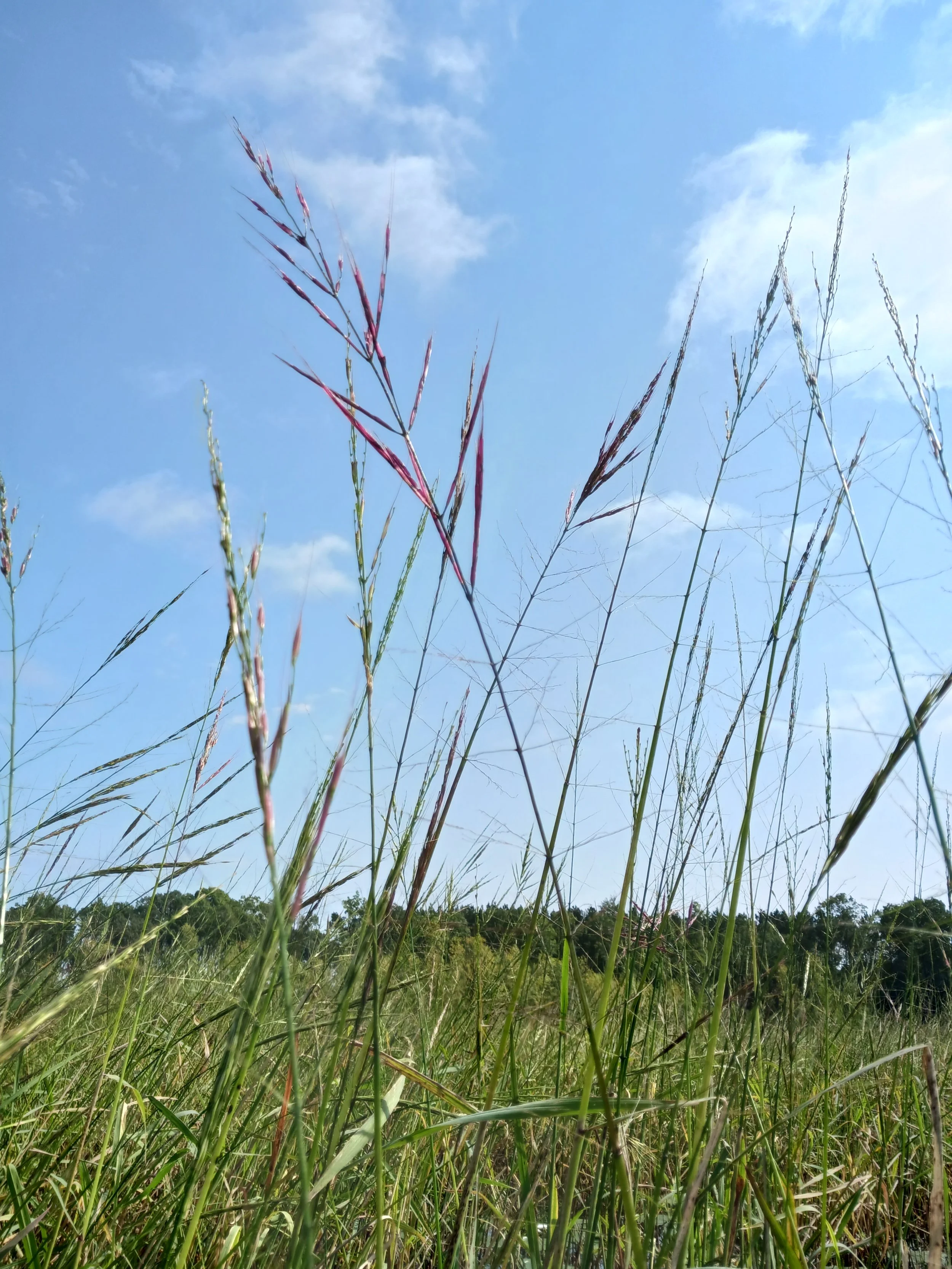
Kawe Gidaa-naanaagadawendaamin Manoomin Research Collaborative
Funding: National Science Foundation, Midwest Climate Adaptation Science Center, University of Minnesota
2019 - 2023
Read the full study in Communications Earth & Environment, AlterNative, Environmental Science and Policy
-
Manoomin is most abundant in the upper Great Lakes region, but also grows in the lower Great Lakes to a much lesser extent.
-
Our study finds a decline of ~5-7% per year of Manoomin across waters available for tribal harvest off-reservations.
-
Our study finds that (1) increased precipitation during the late spring and early summer and (2) warmer winters with less lake ice correlate with less wild rice in the proceeding fall. Both of these patterns are increasing with climate change, and therefore contributing to the decline of Manoomin.
-
This decline has reduced off-reservation harvest by tribal members, disrupting lifeways foundational to the Ojibwe. Harvesting Manoomin is a right guaranteed by treaties signed between Ojibwe Nations and the United States.